
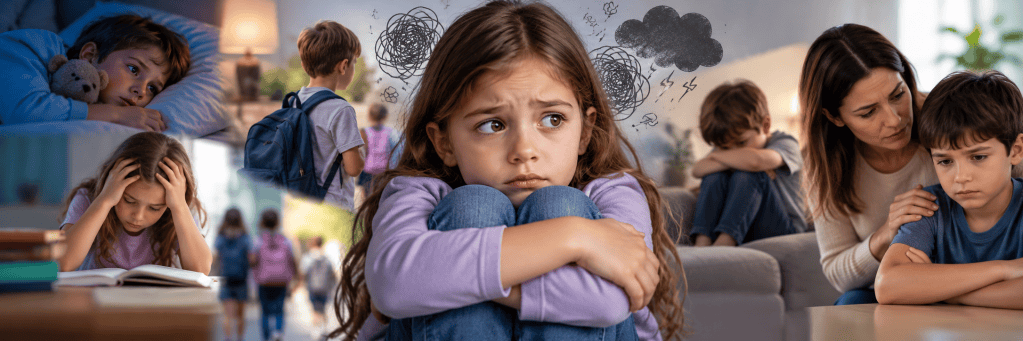
It is natural for children to feel scared, worried, and nervous as they grow up. It is completely normal to feel anxious before giving a school talk, meeting new people, or trying something new. But if these emotions continue and affect daily activities, they could be a sign of an anxiety-related problem. Anxiety in children is not always easy to pick out; some children become withdrawn whereas others suffer physical discomfort, irritability, or changes in behavior. Younger children have difficulty in explaining their feelings.
If parents are able to spot the early signs of anxiety in their children, this will enable them to realize when their child requires child counseling and extra support. The Centers for Disease Control and Prevention (CDC) state that anxiety can be classified as a disorder when fears and concerns affect school, home, or play activities.
10 Early Signs of Anxiety in Children
1. Excessive Worry About Everyday Situations
Children who have anxiety may find themselves worrying a lot about their schoolwork, their friendships, their family’s safety, or about future events. They might keep asking themselves, “What if something bad does happen?” or become distressed over minor mistakes. For instance, a child who does well at school may still worry about failing an upcoming test, even though they have prepared thoroughly. These concerns should be addressed through online anxiety treatment.
2. Frequent Stomachaches or Headaches
Anxiety may cause physical symptoms such as stomachaches, headaches, nausea, and muscle tension. For example, a child could say that they have stomach pain every Sunday evening just before the school week starts. In that case, parents should consider that school-related stress might be the cause. These symptoms are real physical experiences. It is advisable to talk to a healthcare professional about frequent complaints to rule out other medical causes.
3. Difficulty Sleeping or Frequent Nightmares
Children who have anxiety might find it hard to fall asleep, may wake up frequently, or may have recurring nightmares. In some cases, they feel uncomfortable sleeping alone because they worry about being separated from others or about their safety. Ongoing sleep problems can lead to tiredness, irritability, and reduced concentration during the day.
4. Avoiding School or Social Activities
A child who once liked school may start to resist going to school or avoid extracurricular activities. They might turn down birthday invitations, delay joining group activities, or frequently ask to stay home. For instance, a child may enjoy playing with their classmates but still keep avoiding school presentations since they are afraid of being embarrassed. Avoidance may also be caused by bullying, problems with their studies, or other issues. Instead of assuming the child is being disobedient, parents should look for the underlying reason.
5. Increased Irritability or Emotional Outbursts
Anxiety can sometimes manifest itself as frustration instead of showing as fear. It is possible for children to react intensely to sudden changes, to get upset about small mistakes, or to have difficulty when situations seem unpredictable. Parents should respond calmly, recognize the child’s emotions, and then discuss possible triggers once the child has calmed down.
6. Excessive Fear of Separation
Separation anxiety is normal at various stages of development, especially in young children; yet if the distress about being away from parents is severe or continues for a long time, it may be worth worrying about. The child could refuse to go to sleepovers, show great concern for the safety of the caregiver, or become upset at normal school drop-offs. It is important to take into account the child’s developmental stage as well as the extent to which these fears interfere with everyday activities.
7. Difficulty Concentrating on Schoolwork
Constant worry can have a detrimental effect on a child’s ability to concentrate on his lessons, finish his assignments, or carry out instructions. The child might become distracted because of his concerns about making errors or letting the teachers down. On the other hand, difficulties with concentration can also be linked to ADHD, learning differences, or sleep problems. A professional assessment can help in identifying the underlying cause.
8. Fear of Trying New Experiences
Children who have anxiety might avoid new activities since they are afraid of being embarrassed, rejected, or failing. For instance, a child who likes playing soccer at home could refuse to take part in a school team because they are concerned about making errors in front of other people. Parents can promote participation by taking small and manageable steps that will not overwhelm the child.
9. Repeatedly Seeking Reassurance
Children often ask if they are safe, if their parents are worried, or if anything bad might occur. Although reassurance offers only temporary relief, the same questions may reappear shortly after. Parents should recognize these worries and, at the same time, help children build coping skills so they become more comfortable with uncertainty.
10. Withdrawing From Friends and Favorite Activities
A noticeable decrease in social interaction or interest in activities that were previously enjoyable could signal emotional distress. Children may spend more time alone, turn down invitations, or give up their hobbies. Withdrawal is also a possibility when a person has depression, is a victim of bullying, or suffers from other mental health issues. It is advisable to talk to a qualified professional about any ongoing changes and opt for online depression treatment.
How can parents assist a child who has anxiety?
Parents can support their child’s emotional well-being through practical strategies:
- Promote open conversations by asking people about their feelings and giving them your full attention without judging.
- It’s important to keep routine practices: having a consistent daily schedule can provide a sense of stability.
- Teach some techniques for coping by practicing slow breathing, relaxation, and problem-solving that is appropriate for their age.
- Encourage children to take part gradually by helping them tackle challenges within their reach rather than avoiding them altogether.
- Encourage healthy habits by promoting sufficient sleep, physical activity, and positive social relationships.
- Contact your teachers, since they should work with you if they are affecting your participation in school.
Don’t respond to someone’s concerns with phrases like “There’s nothing to worry about”; instead, acknowledge the child’s feelings and help them find a sensible next step.
At what stage should parents consider getting professional assistance?
The National Institute of Mental Health (NIMH) states that parents should seek professional help if the emotional or behavioral symptoms continue for several weeks, result in considerable distress, or affect the child’s daily functioning. A qualified healthcare or mental health professional can evaluate the child’s symptoms and recommend the appropriate care.
Cognitive behavioral therapy (CBT) is an established treatment for anxiety in children. The type of treatment needed varies from person to person and may, in some cases, involve family involvement or medication prescribed by a suitable healthcare professional. In any instance where a child speaks of harming themselves or others, it is necessary to obtain help immediately instead of waiting for a normal appointment.Childhood Anxiety Support in Flint, Michigan
It is important to recognize the symptoms of anxiety if one is to come to an understanding of a child’s emotional needs.
The Traini Counseling Group offers mental health services in Michigan, such as psychiatric evaluation and the management of medication for children who are 8 years old or older.
The information currently provided by the practice regarding children’s counseling states that counseling is not being offered to children under the age of 13 because of the high demand. Parents are advised to contact the practice to check whether their child is eligible and to find out about available appointment times. Families from Flint, Fenton, and other nearby communities can use this opportunity to discuss their concerns and explore care options.
Worried about your child’s anxiety symptoms?
Request an Appointment with The Traini Counseling Group
Phone: (810) 877-6343
Childhood Anxiety Support in Flint, Michigan
It is important to recognize the symptoms of anxiety if one is to come to an understanding of a child’s emotional needs.
The Traini Counseling Group offers mental health services in Michigan, such as psychiatric evaluation and the management of medication for children who are 8 years old or older.
The information currently provided by the practice regarding children’s counseling states that counseling is not being offered to children under the age of 13 because of the high demand. Parents are advised to contact the practice to check whether their child is eligible and to find out about available appointment times. Families from Flint, Fenton, and other nearby communities can use this opportunity to discuss their concerns and explore care options.
Worried about your child’s anxiety symptoms?
Request an Appointment with The Traini Counseling Group
Phone: (810) 877-6343
Frequently Asked Questions
What are the main indications of anxiety in children?
Typical signs include excessive worry, irritability, sleep problems, frequent physical complaints, avoidance behaviors, and difficulty concentrating.
When can anxiety arise in childhood?
Anxiety may occur at various ages, and certain fears are entirely normal as part of development; however, if symptoms persist, they might need to be assessed.
Can childhood anxiety be improved without receiving treatment?
Certain fears from childhood go away on their own, but in the case of continuous or serious anxiety, it is advisable to have it assessed and treated by a professional.
What is the best treatment for anxiety in children?
Cognitive behavioral therapy is commonly recommended. Treatment depends on the child’s age, symptoms, and individual needs. Medication may be considered in certain cases.
